Our concerns at the start about the poor state of the grass and lack of wild flowers on the field proved to be entirely unfounded.
The field had been rested from the end of January when the previous tenants moved out until early June when our horses moved in. When our horses did arrive, they grazed one of our new paddocks, allowing the rest of the field to flourish naturally and have most of the growing season ungrazed.
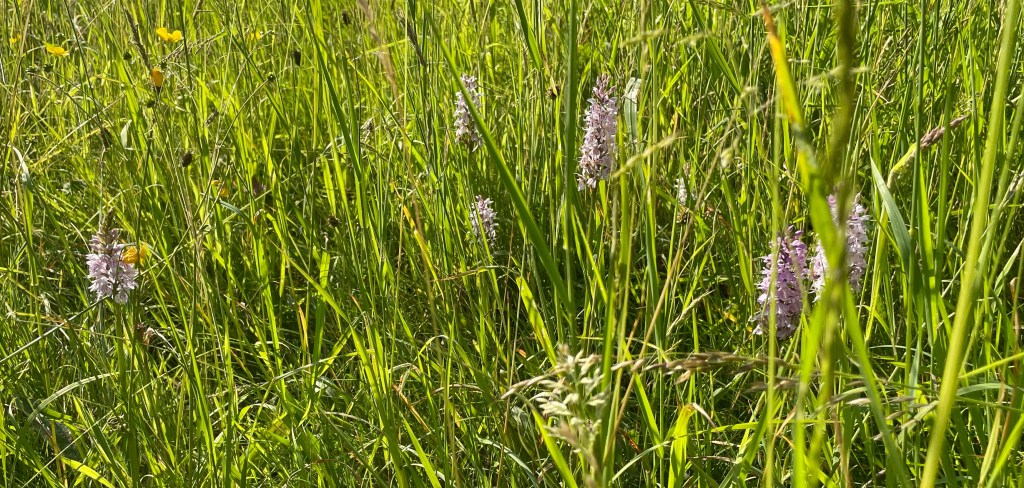
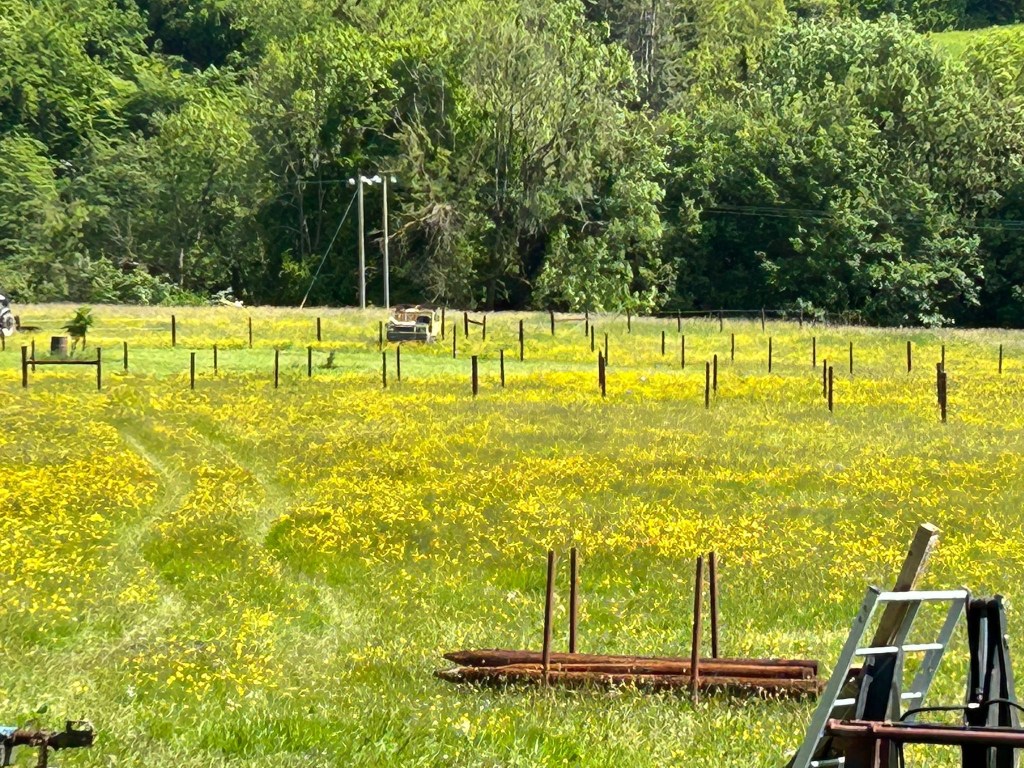
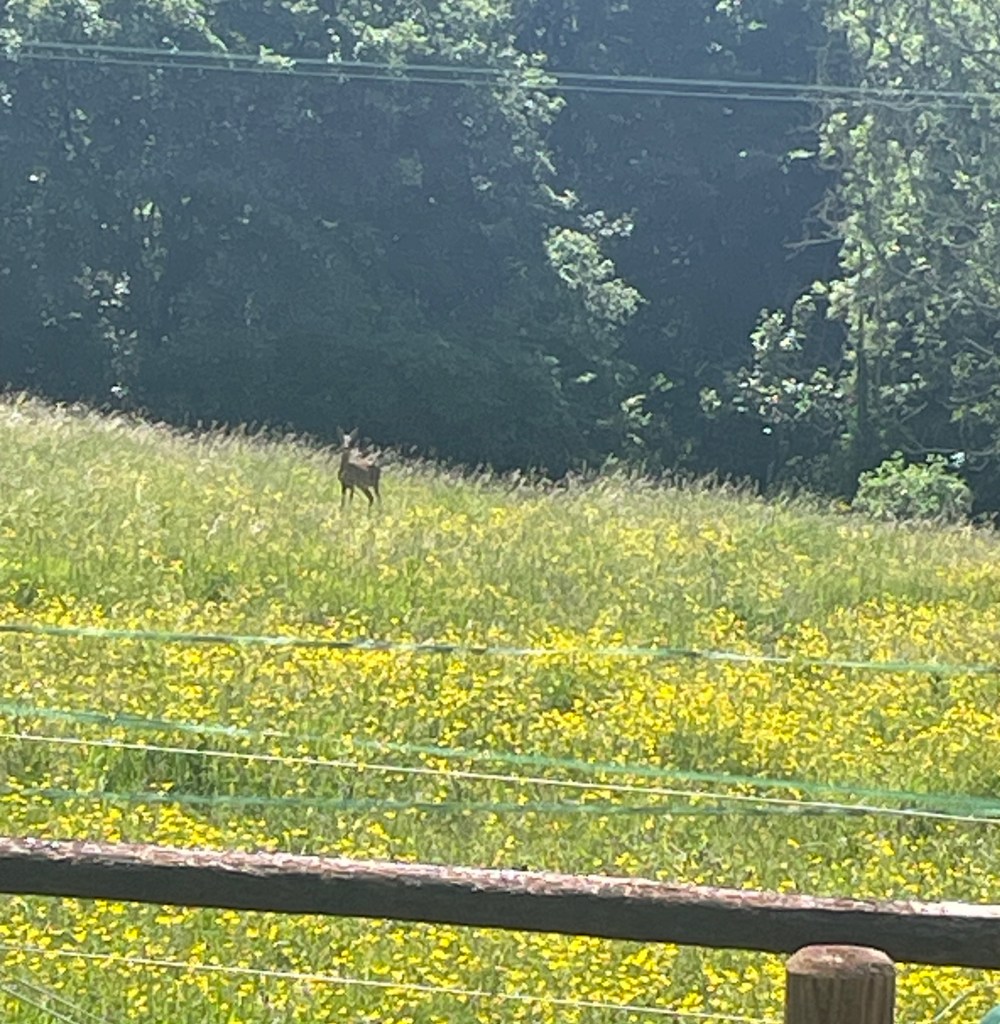
We were amazed to see the diversity of wild flowers and grasses that appeared, and rapidly discovered that we already had exactly what we wanted which is a species rich wildflower meadow.
We consider ourselves to be the guardians of this old meadow, and our rotational grazing plan should be perfect to maintain and even improve it. There are some very species rich areas and some which are much less diverse. Hopefully by managing the grazing we can help the less diverse areas to improve.
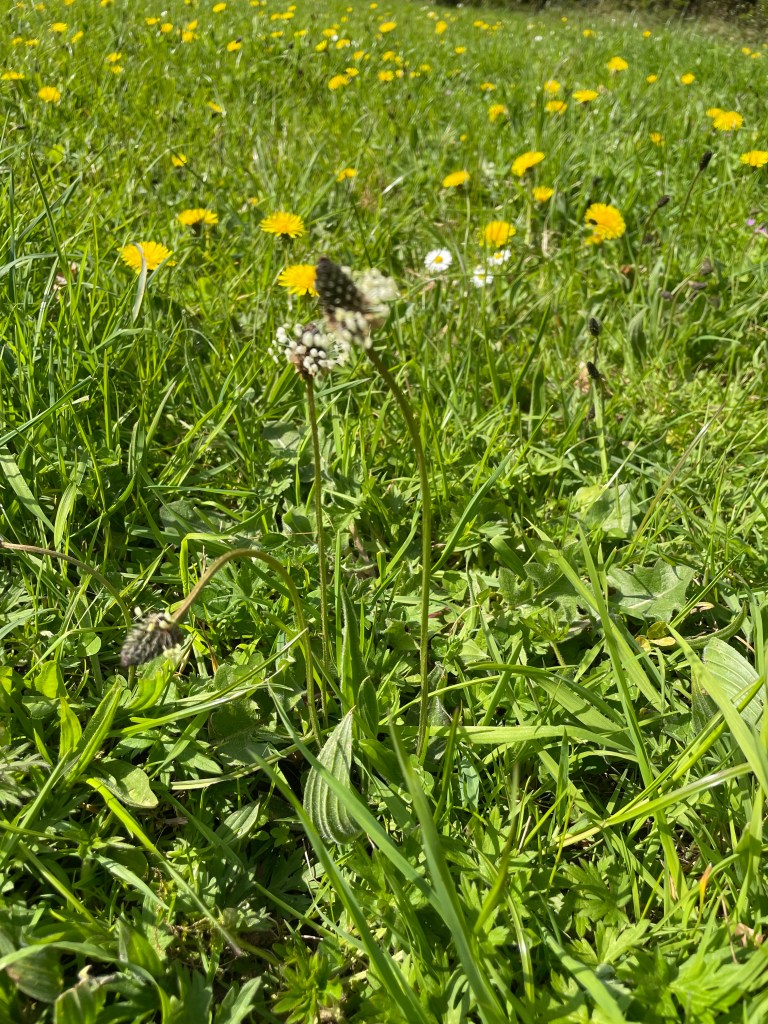
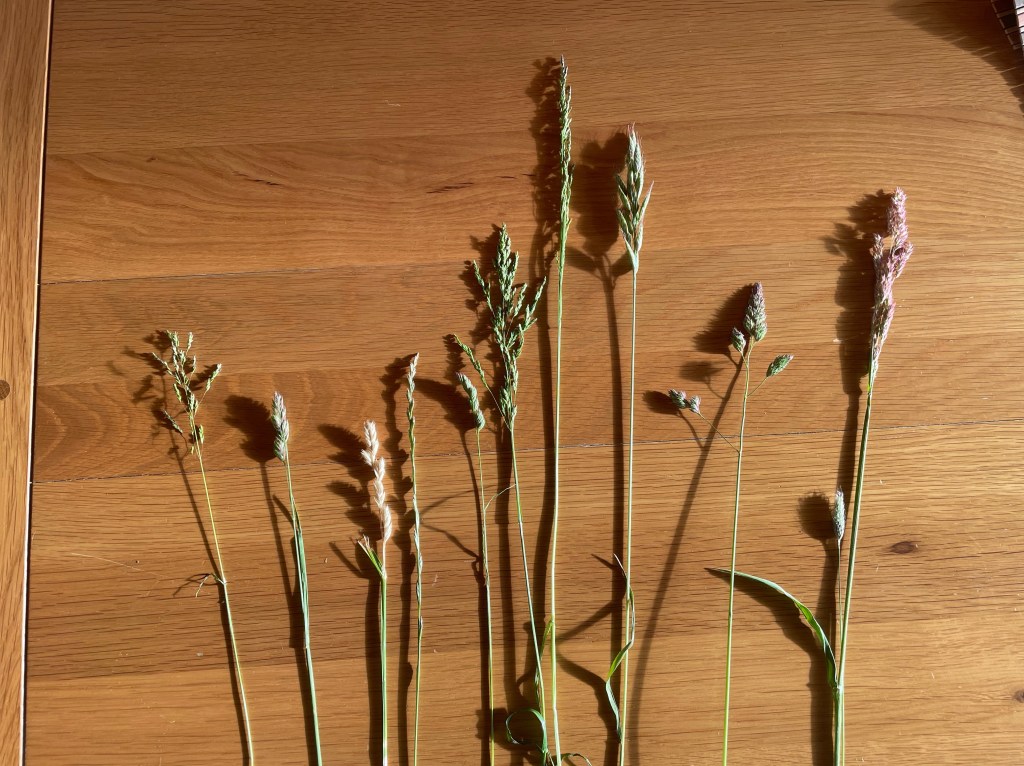
Horses have evolved to eat a lot of low sugar high fibre forage and the common ryegrass is too rich for them.
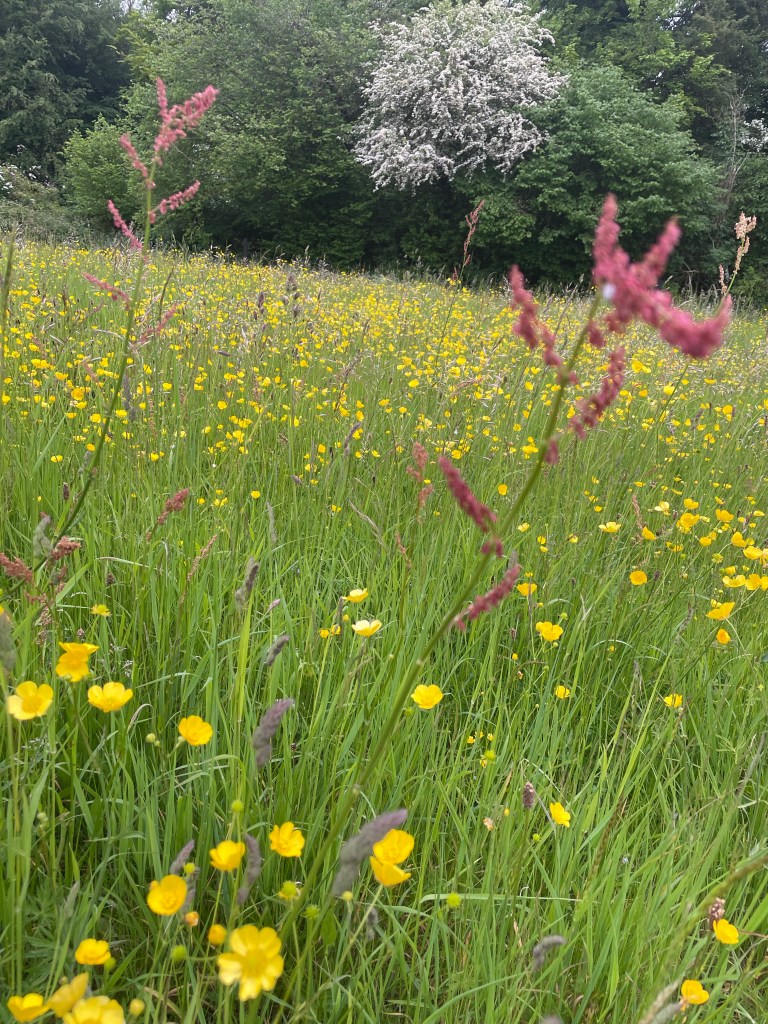
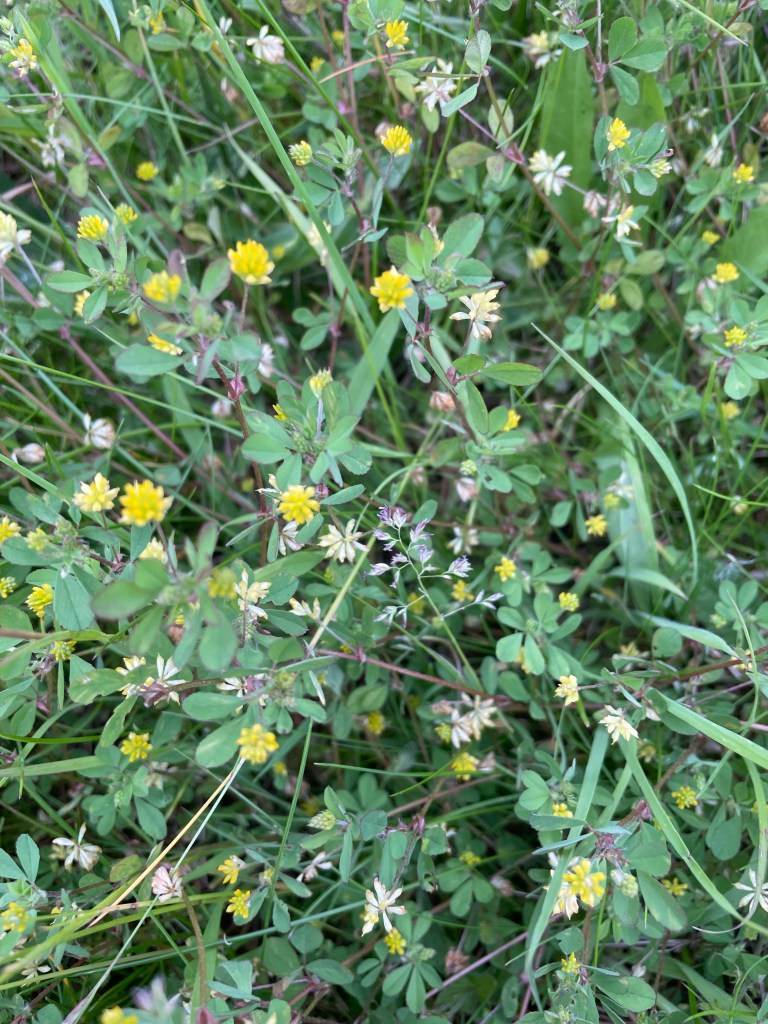
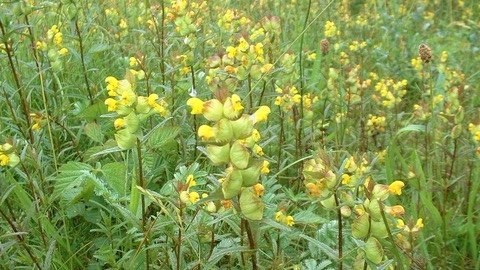
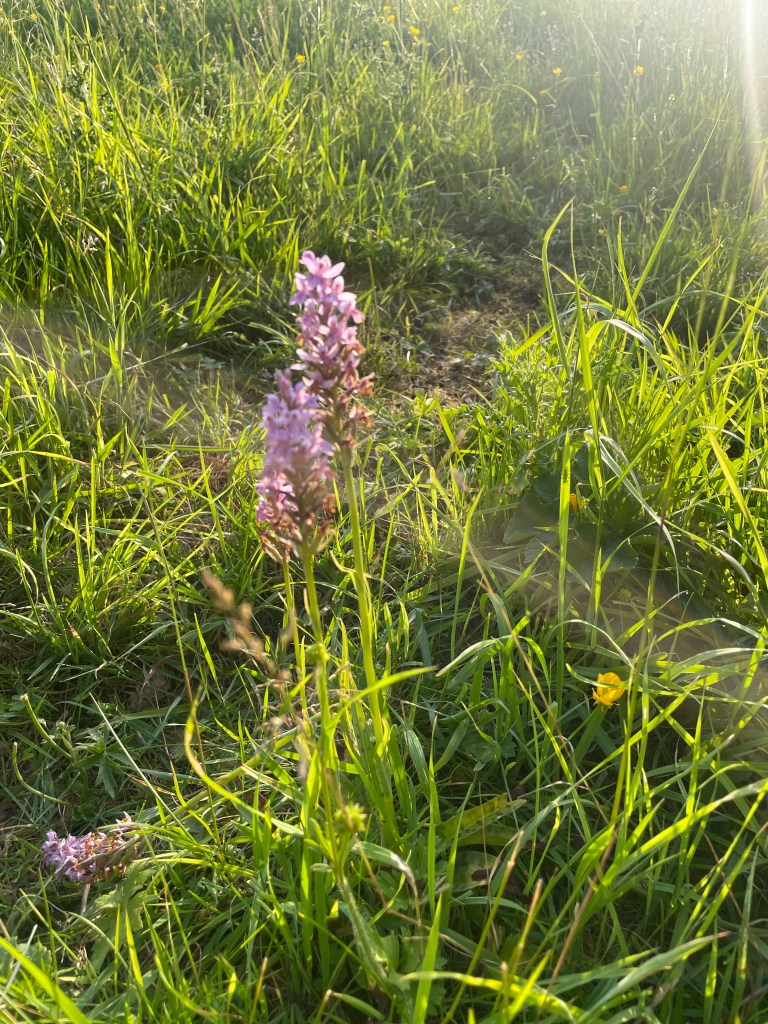
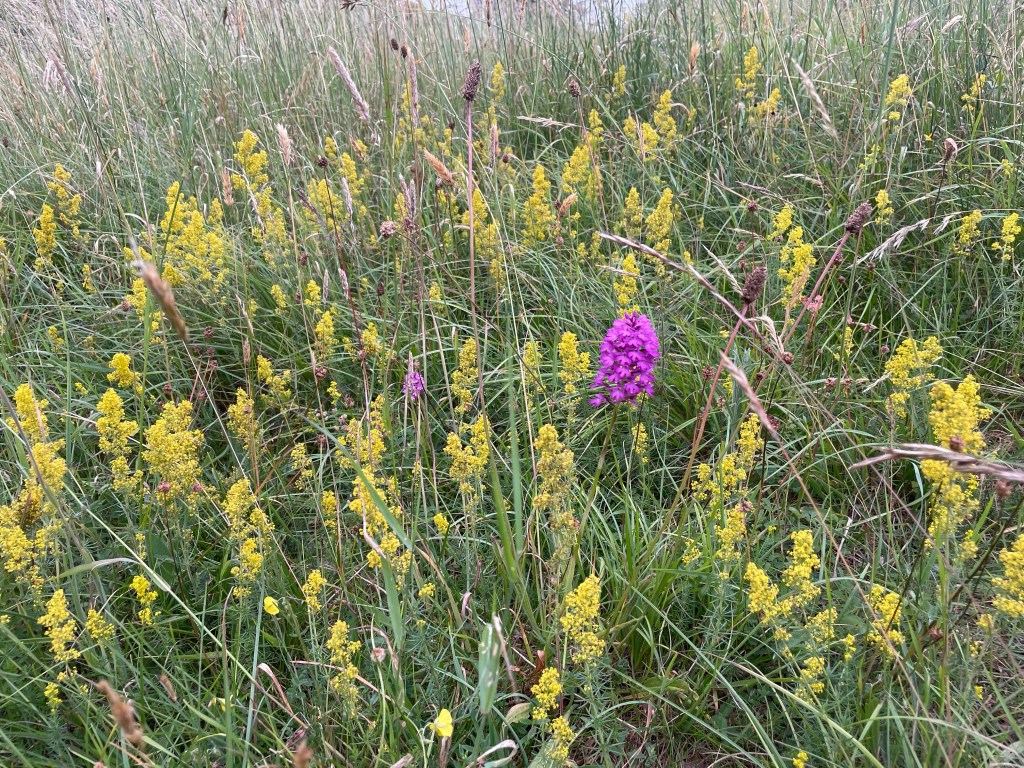
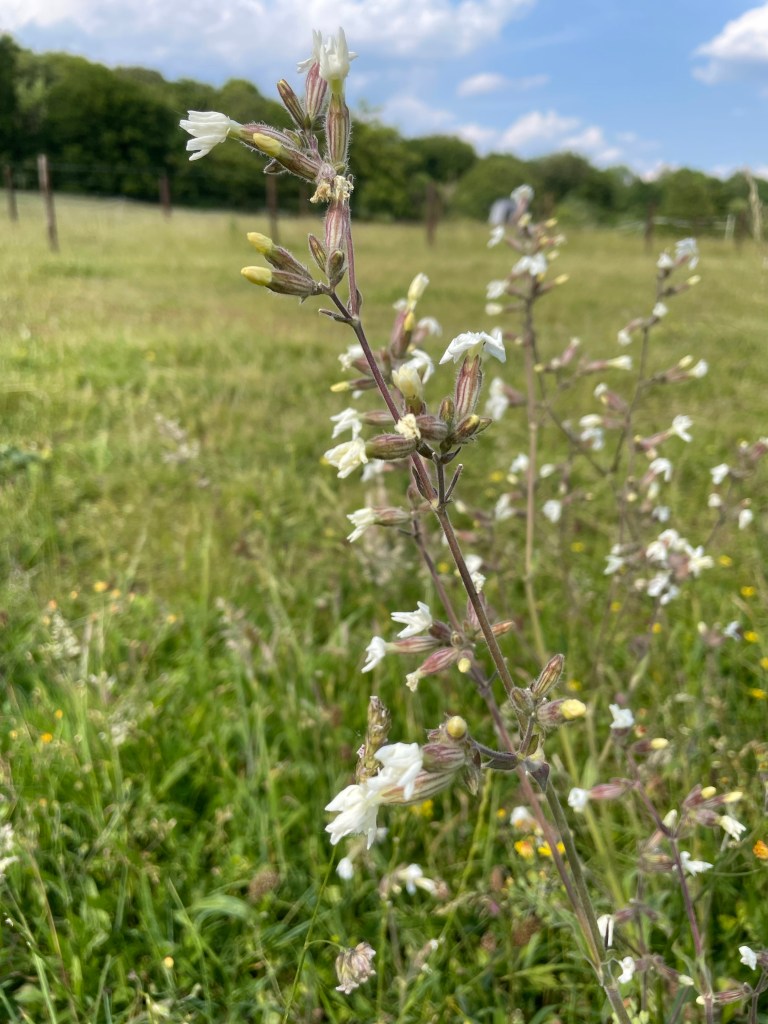
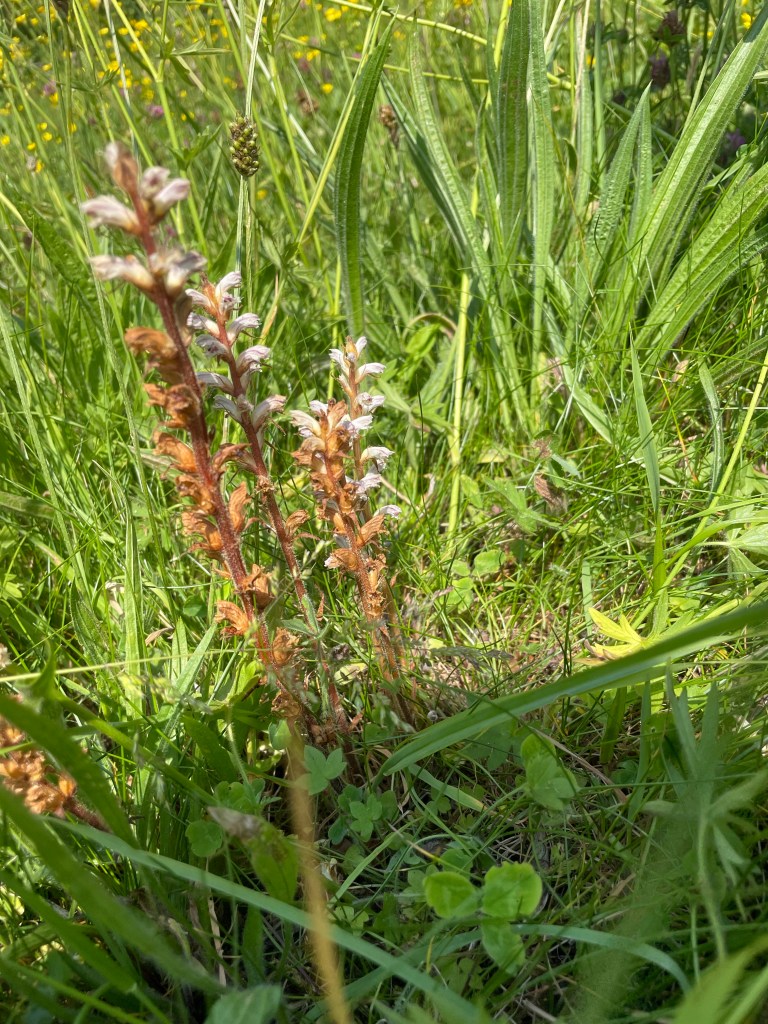
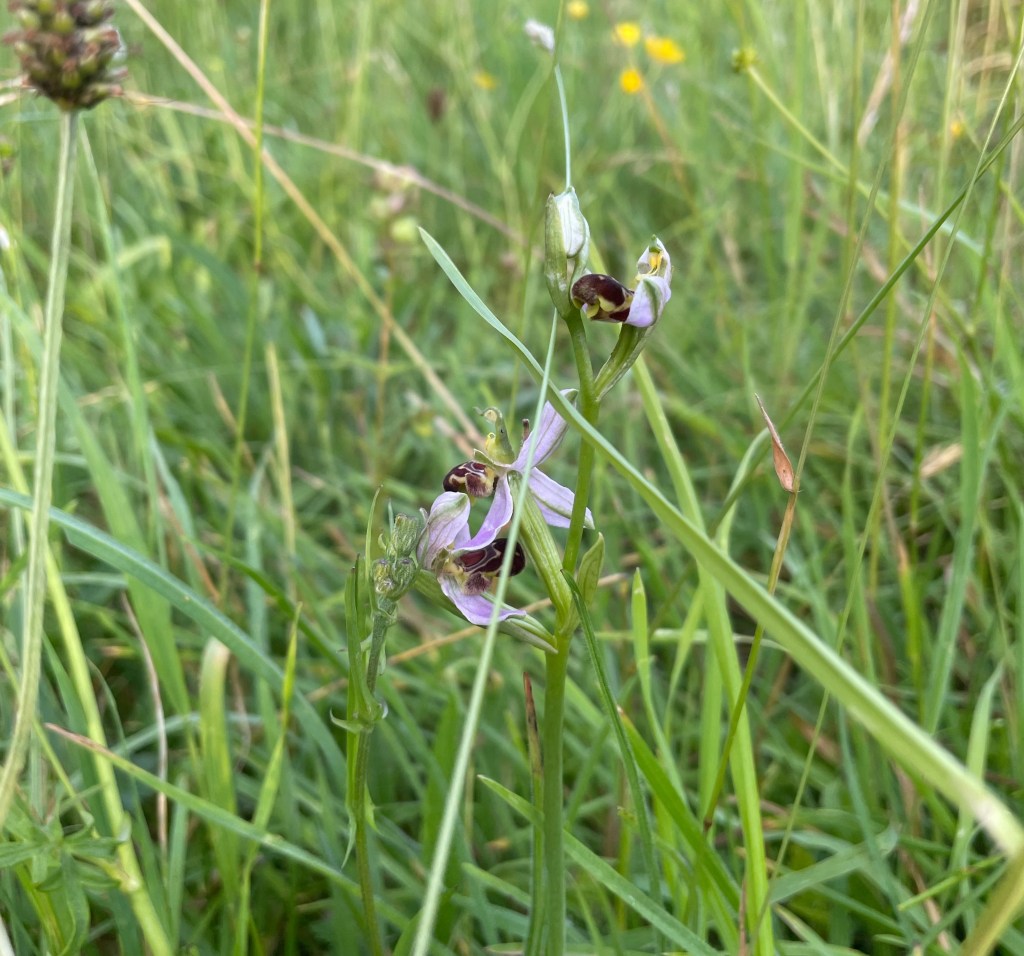
In June 2023 these plants were identified: cowslip, common bromerape, yorkshire fog, sheep’s sorrel, yellow rattle, lady bedstraw, yellow trefoil, black medic, bent grass, false oat grass, speedwell, hogweed (small), common spotted orchid, pyramidal orchid, false goatsbeard, hypericum, birds nest orchid, white campion, heal all, bee orchid.
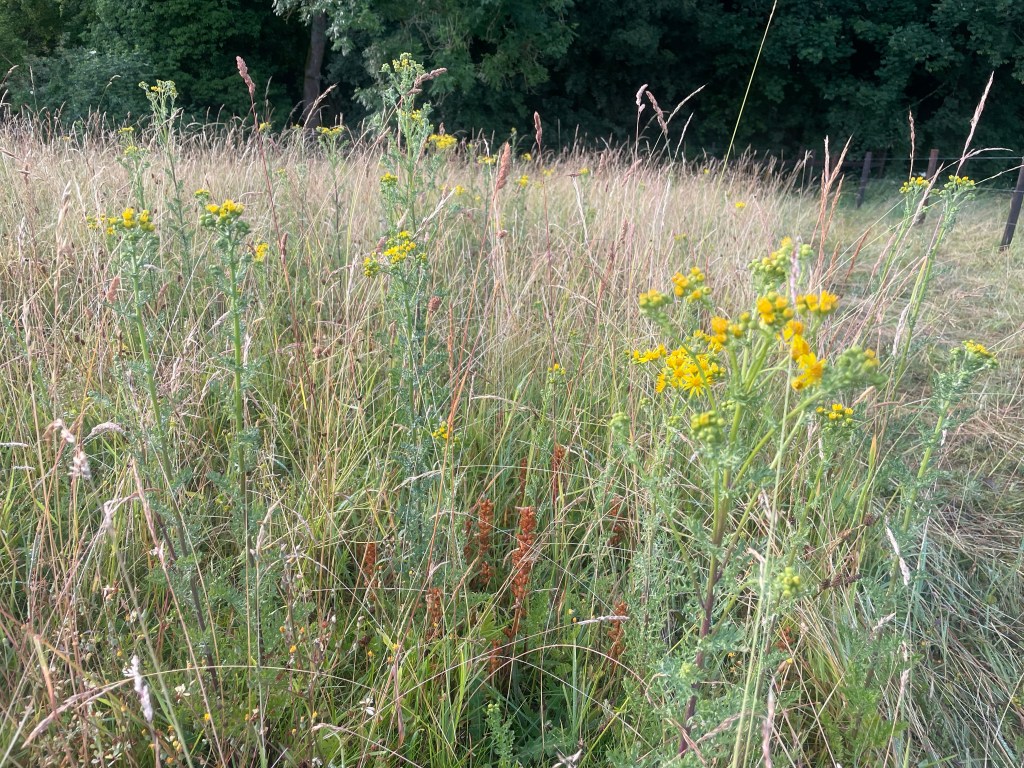
I know that ragwort provides the specialised habitat that some species need, in particular the beautiful cinnabar moth, but it is still a plant that is not welcome in horse paddocks. I reassure myself that ragwort thrives beside many roads and on waste land all over the country, to provide the habitat for these species.Fortunately the really dense ragwort is in just two of our paddocks, and just scattered bits in the majority of the field
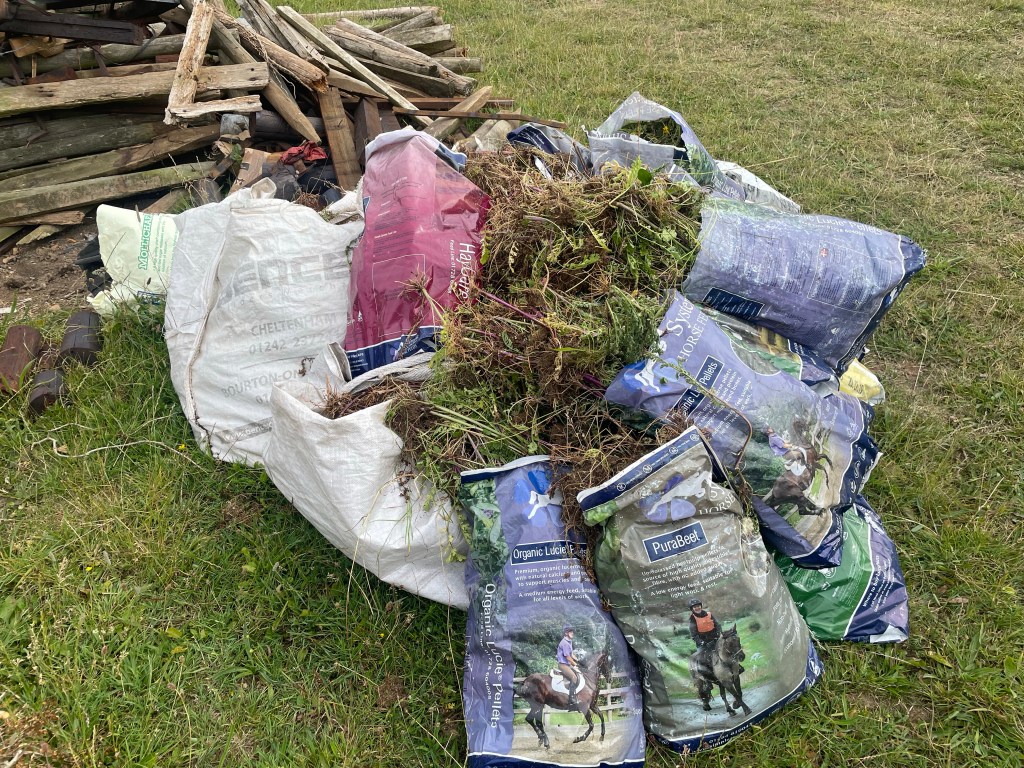
These bags are just a fraction of the ragwort removed.
We are making a difference to the amount but it will take a few years to fully get on top of it.
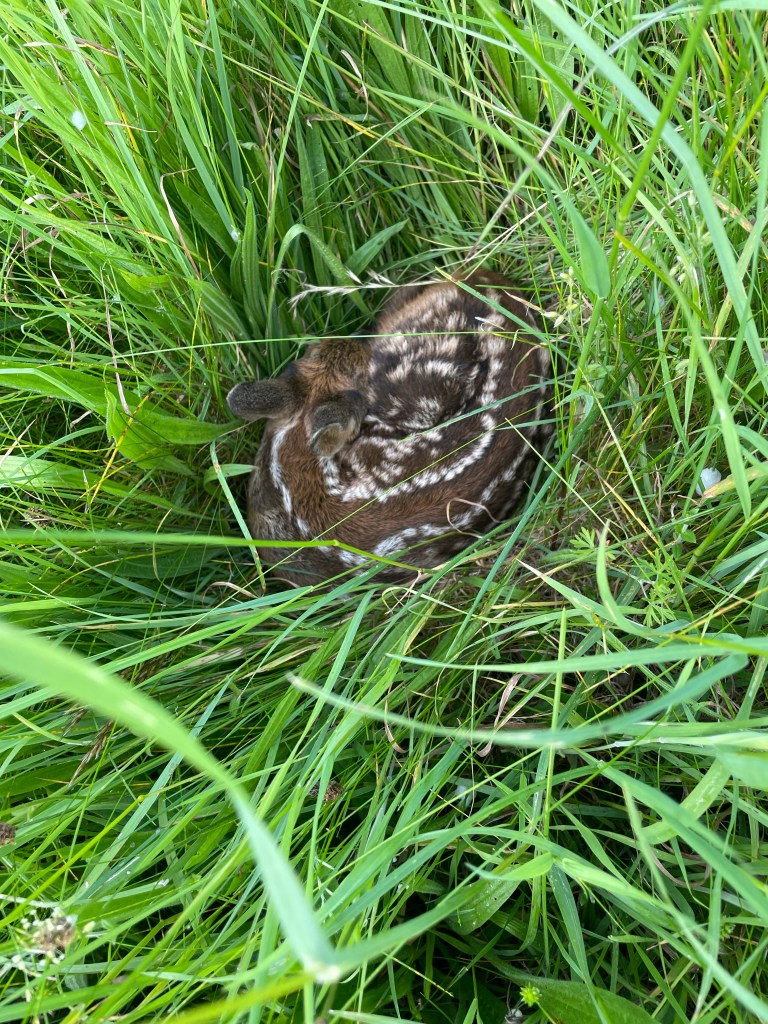
I found this little treasure one morning in June 2024 whilst pulling our ragwort in waist high grass. Close by her I also found a bee orchid.
The mother deer leaves her baby hiding in long grass to avoid predators, she was never far away though.
 Far Ground Story
Leave a comment